Reception Table Capacity
- 30″ Round: seats 2-3
- 36″ Round: seats 4
- 42″ Round: seats 4-5
- 48″ Round: seats 6-8
- 54″ Round: seats 6-8
- 60″ Round: seats 8-10
- 30″ x 72″ Oval: seats 10-12
- 48″ Square: seats 4-8
- 6′ Rectangle: seats 6-8
- 8′ Rectangle: seats 8-10
- 30″ x 96″ Rectangle: seats 8-10
Rectangle Setups
It’s not just about how many guests you can fit, but how the setup will feel in practice. For elaborate centerpieces or a family-style wedding dinner, she recommends pushing two eight-foot tables together, which will create a wider surface. Finally, as for seating, plan on two to three guests per side at a six-foot table, and three to four per side at an eight-foot table for optimal comfort.
Round Setups
Round tables are the most common choice for seating at weddings since they “allow for better conversation among all the guests seated together. Due to everyone having a full view of one another at a round table, “couples must be aware of who is seated together at a table” and thus plan their seating chart carefully. In terms of sizing, it is recommended to seat eight guests at a 60-inch table and no more than ten at a 72-inch table, ensuring there’s ample room between each place setting. Use round tables for plated or buffet-style meals, caution against using them for family-style service.
Long Table Setups
Long seating arrangements, especially serpentine tables and king’s tables, are becoming increasingly popular options for wedding seating plans. Carefully consider spacing around the tables to keep the layout comfortable and accessible. This is especially important if you’re planning a buffet-style service, which requires guests to move easily without squeezing or bending awkwardly around furniture. For this reason, she recommends leaving about a six-foot buffer around the edges of long tables so guests can circulate freely. A 6-foot segment generally fits two to three guests per side, while an 8-foot segment works best with three to four. Best for more intimate gatherings, not for guest counts over 60.
Seating Arrangements
The Head Table
Planners often reference head tables, estate (or king’s) tables and sweetheart tables, all of which are different, but can serve as table one, depending on your needs. We will do a sweetheart table as we don’t have a party.
Family Tables
The parents of the couple often sit opposite each other at a large family table, with grandparents, the officiant and other close friends. Another wedding reception seating arrangement idea is for the parents to head their own tables, with their close family members and friends.
The Rest of Your Guests
As for the rest of your wedding guests, should you put friends together or seat them with people they haven’t met? While it may seem like a great idea to mix in a few new faces at each table (and it’s totally okay to do so sparingly), remember that people are most comfortable when they know some of their dinner companions. For instance, designate a table of college friends or work friends.
As you seat your guests, simply be considerate—there’s no set protocol in this day and age for seating arrangements at a wedding reception. Don’t seat couples across the table and separate them with an obstructive centerpiece. Not even your most gregarious friends will want to sit at a table full of strangers, so put acquaintances together when you can. If you have guests who don’t know anyone, seat them near guests with similar interests. If you have a group of friends that can’t fit at one table, split them down the middle and fill in each table with other guests. Whatever you do, don’t leave one member of the crew out. And if you have no idea what to do with your parents’ friends, let your parents and future in-laws arrange those tables. They’ll be thrilled to be involved and this may keep them from trying to control the rest of your seating plan.
Seating Chart Tips
- Start easy by deciding between a sweetheart table and a head table, because knowing where you’ll be sitting will help you figure out your wedding party’s spots.
- Make rough groupings at first, then refine your arrangement as your RSVPs roll in.
- Keep older guests, guests with sensory issues and those with movement concerns in mind and seat them away from loud music, in accessible areas of the room, etc.
- As much as you can, ensure everyone know someone at their table (and enjoys their company).
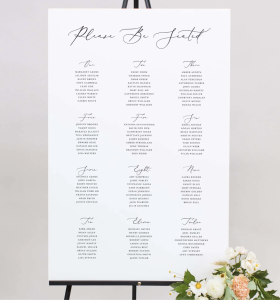
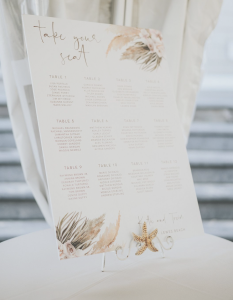
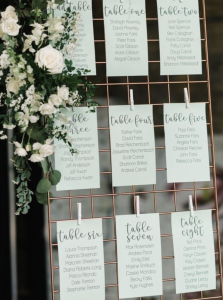
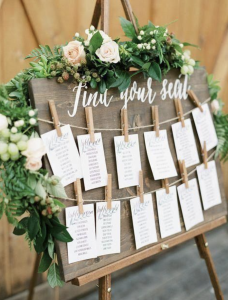
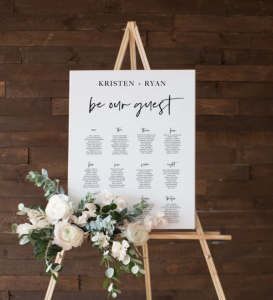
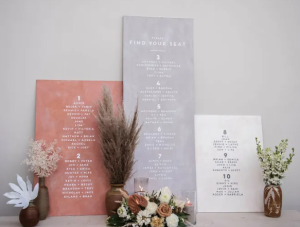
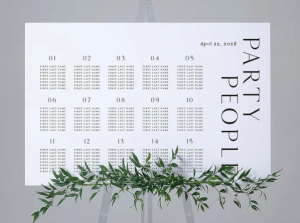
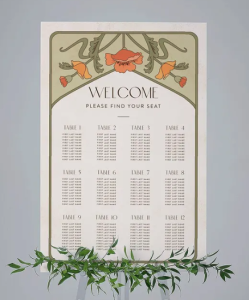
- List guests on your seating chart either alphabetically (with the table number noted next to each person’s name) or by table, then alphabetically.
- Do NOT do a ‘singles’ table. Instead, you can sprinkle the singles in with their married or couple friends to give them a sense of comfort.
- A kids table is a good idea, so long as it’s located near where the children’s parents will be dining. Consider placing some coloring books and other activities at the kids table to keep youngsters entertained.
Making the Chart
- Get started ASAP.
- Check out your venue’s floor plan
- Consult your guest list.
- Divvy up your guests. Start with the easy folks: yourselves and your immediate family. Then move on to organizing guests into groups and clusters: extended family, childhood friends, church friends, adult-life friends, etc. If there are a few people who are hard to categorize, come back to them later once you see where you have space. Then, consider the personalities and potential common threads these guests could have with other tables and categorize them accordingly. Next, spatially place each complete table grouping, keeping in mind any special guest accommodations. Tip: Use a pencil and write lightly to make changes easily.
- Stay flexible.